Buy 4 Get 5 on selected Recycled Plastic Picnic Tables while stocks last


Search via Recycled Plastic Product Group


Search via Sector


Why Choose Recycled Plastic Products?
We have 9 Harewood benches from British Recycled Plastic in the Ainsdale Village Community Garden in Southport. They are much used and admired by members of the public. We have received excellent service from BRP, who are very responsive to our needs. Good people to work with. We would highly recommend this company and their products.
Really impressed by both the recycled plastic products, and the service given by the staff. Orders are gratefully received, quickly processed, and a firm delivery date is given. Absolutely no hesitation in recommending British Recycled Plastic for recycled plastic lumber. Just remember to read and understand the FAQs (the products, in some ways, are different to wood).
I have never known such an amazing firm. They really have gone the extra mile or in our case 500 miles, to make this the most wonderful experience that we’ve ever had. They are friendly, professional and so extremely helpful I cannot praise them enough, you are totally safe in their hands.
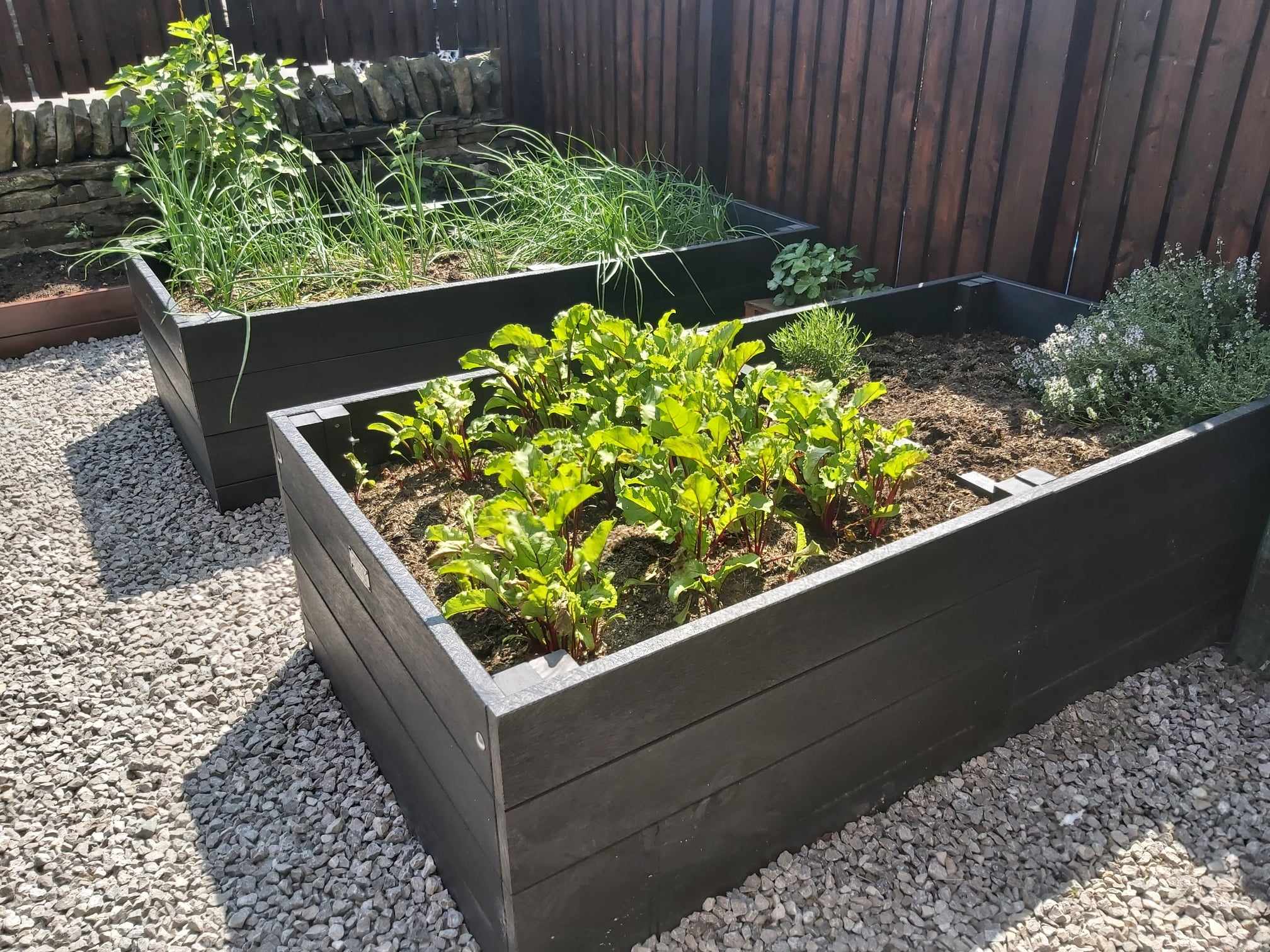
Bought two raised beds earlier this year. We were so pleased with them that we have just bought another one. The beds are easy to install. They are very sturdy and high quality. They are a great addition to our garden.
Great customer service very helpful and friendly. Would highly recommend..
Our charity has bought several benches from British Recycled Plastic over the past few years. Their service is always very friendly, helpful and efficient. Delivery arrangements are always accurate. Benches themselves are easy to assemble and install, sturdy, hard wearing and resistant to vandalism. Thank-you!
This is exactly what I have been looking for for a few years, and being made from recycled plastic it;s absolutely perfect!!! A wooden bench would need continual up-keep and would need winter storage, I simply do not have the garage space to store such a thing. And with the harsh Shetland winters and high winds, this bench is nice and heavy and would not budge!!! A very sturdy product and easy to put together. The communications with British Recycled Plastics has been top class, from initial order to delivery. Would highly recommend.
We bought twenty raised beds for our allotment site, the service was excellent. The staff at BRP got back to us immediately when we asked questions and any issues were dealt with promptly, I can’t praise then enough really, especially considering it was around the lockdown last year. The beds were delivered on time, great quality and easy to build. The members built the beds themselves and they look fantastic, really heavyweight and sturdy items, should last years. We chose black and they seem to warm the soil really well, growing has been really good this season. Very happy with our purchase.
Customer Success Stories and Articles